memory machines
+ unstable instruments
Róisín Berg — artist / researcher / educator (University of Limerick).
Concept NULL (producer) / Synthesize_Her (occasional facilitator)
This session traces the through-line that connects my work across instruments, system design, sculpture, and performance. At the centre of my practice is the building and calibration of systems as a way of encountering questions materially rather than illustrating them. Moving through several projects, the masterclass reflects on process, uncertainty, and the decisions that accumulate over time across digital, material, and performative contexts. I’ll discuss how repetition, tuning, and misalignment shape the work, and how systems begin to remember through use rather than intention.
The work is driven by an interest in relations — how behaviour shifts through contact, how prior interaction continues to shape response, and how instability can be felt rather than explained. Rather than aiming for control or resolution, I stay with systems as they form, drift, and fail to reset, allowing understanding to emerge over time.
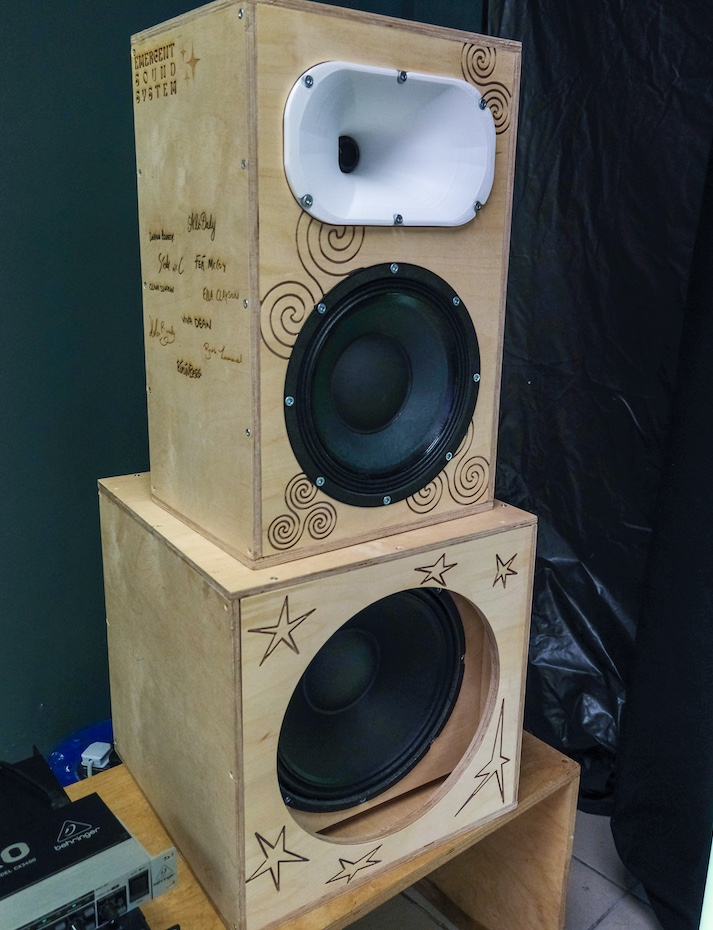
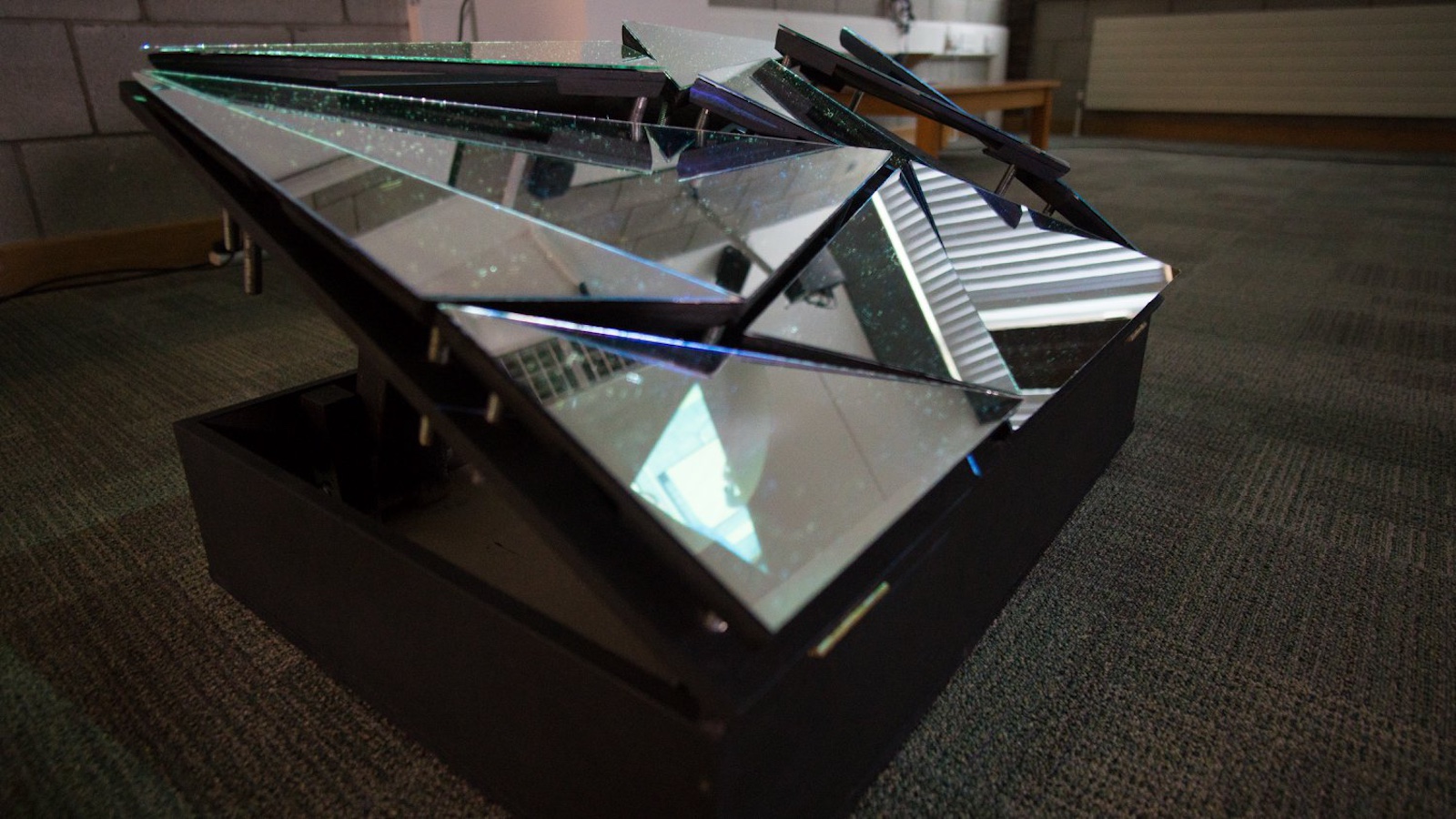
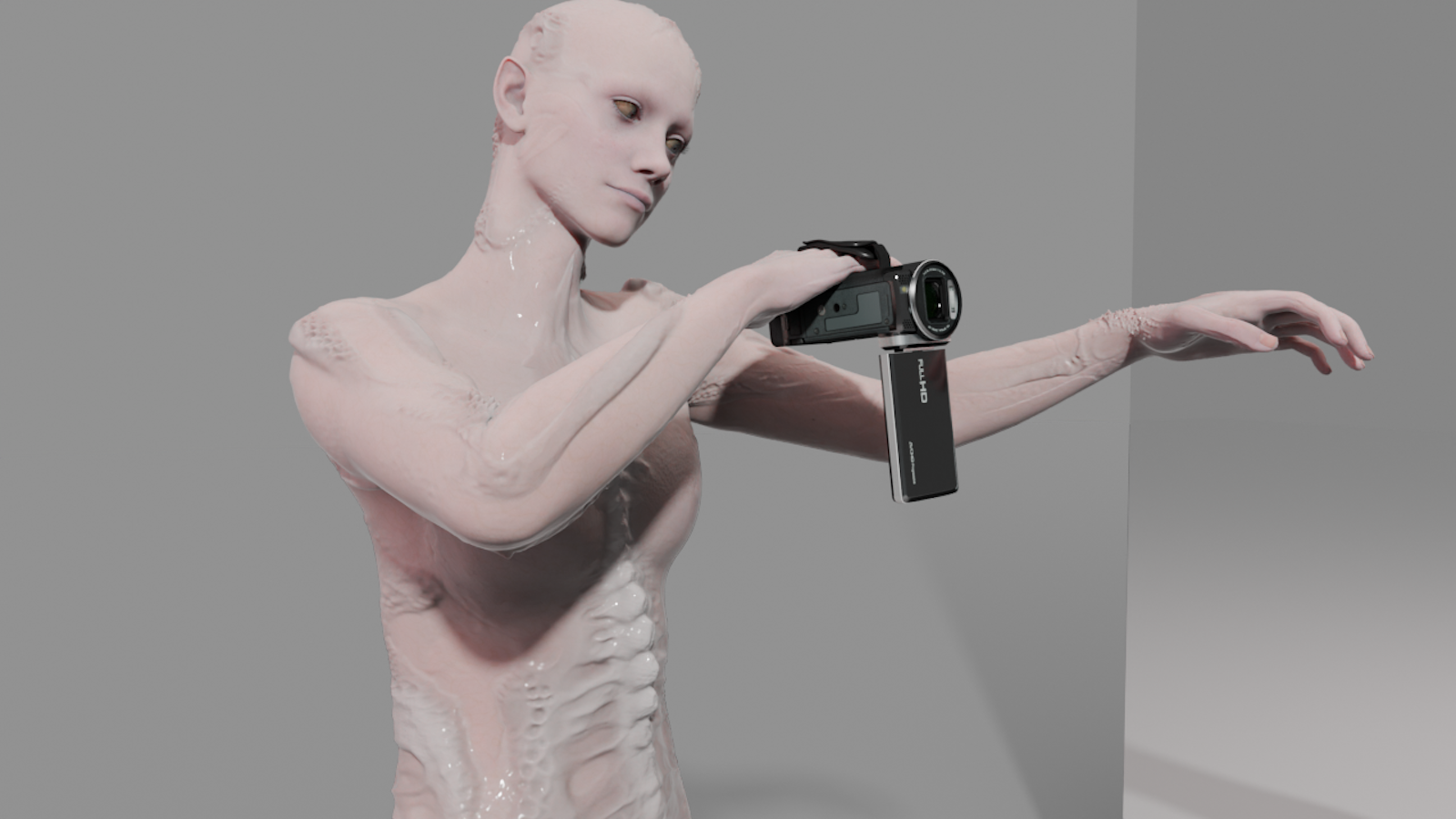
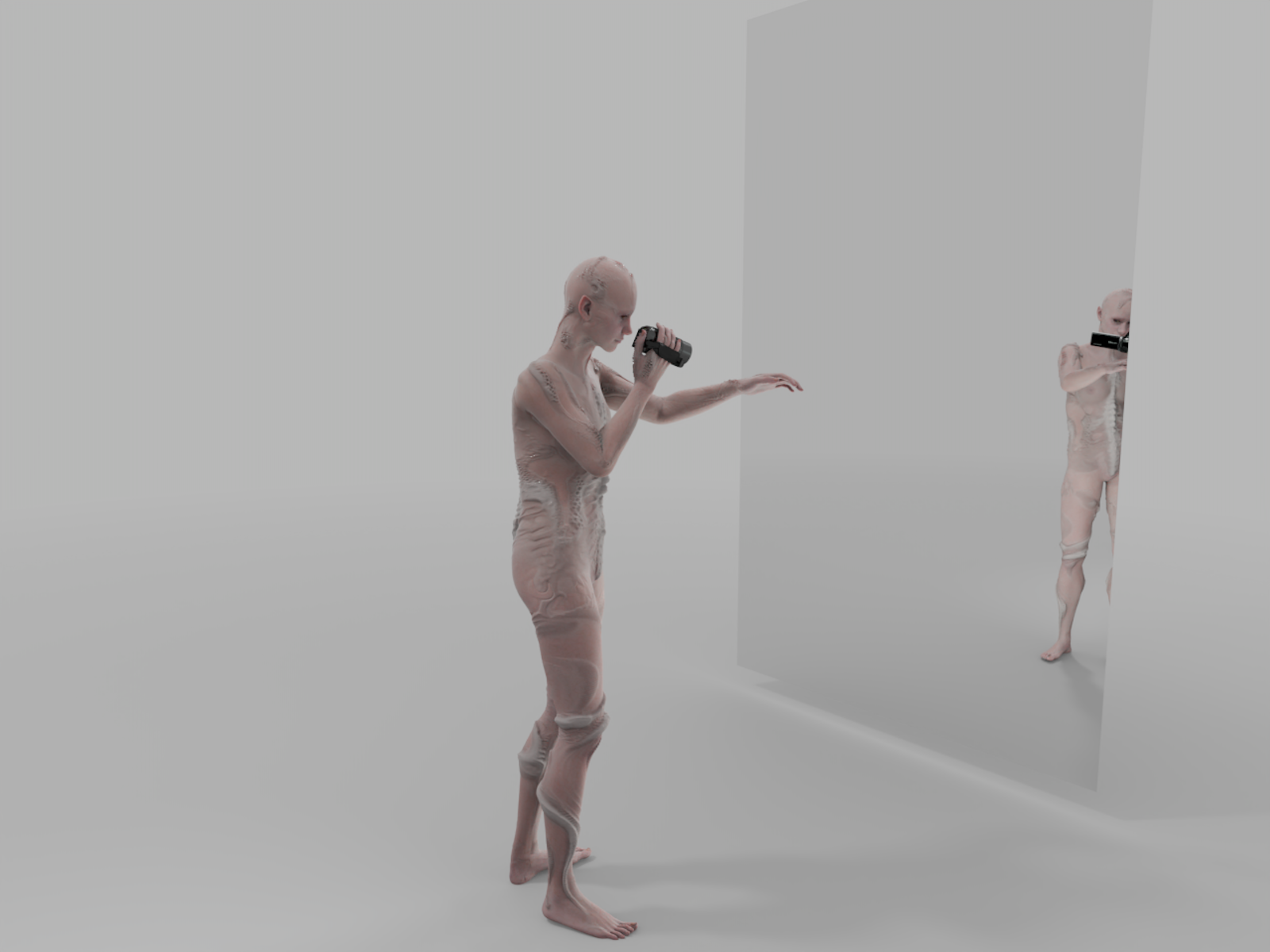
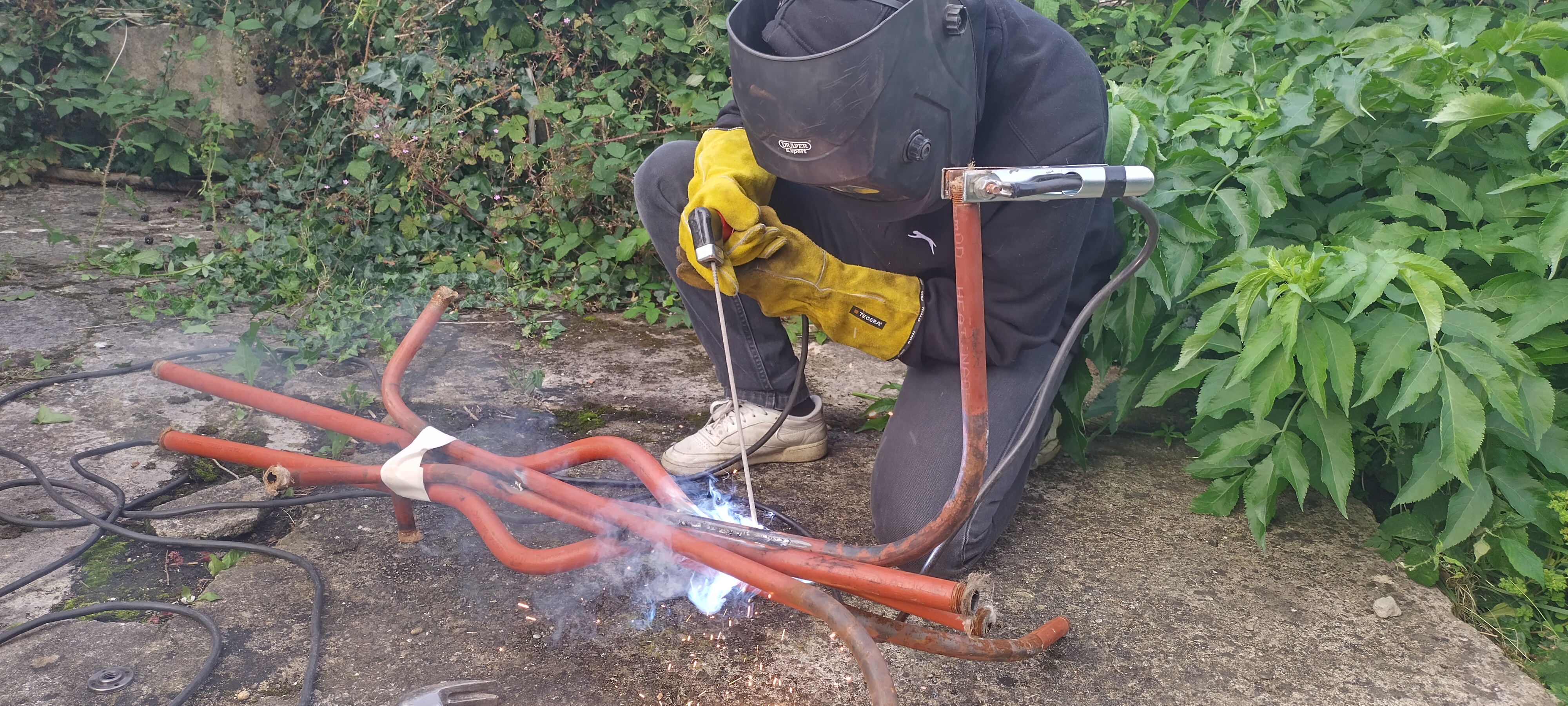

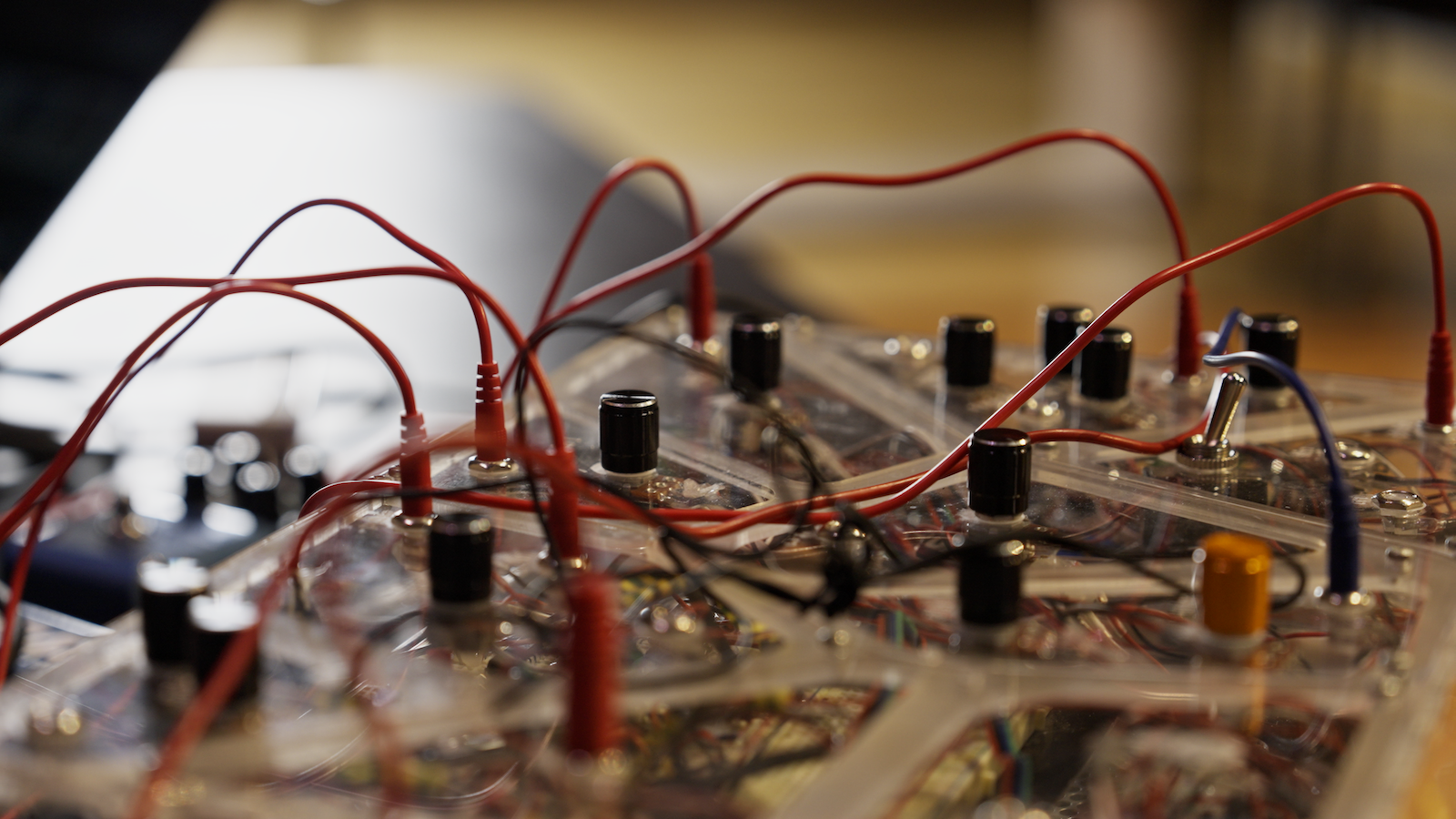
feedback / drift / calibration
A lot of my work starts by building a system and then observing how behaviour develops inside it.
Two ways of thinking about this...
Cybernetics
How systems behave through feedback: actions change the environment and those changes return to influence the system again.
feedback loops
sensing + response
stability <-> instability
adaptation over time
In my work this often means the piece shifts through contact: people, bodies, sensors, environments, and the system’s own previous states.
Generative / algorithmic systems
Designing rules and constraints that allow behaviour to emerge.
rules rather than outcomes
iteration and repetition
bias rather than randomness
patterns forming over time
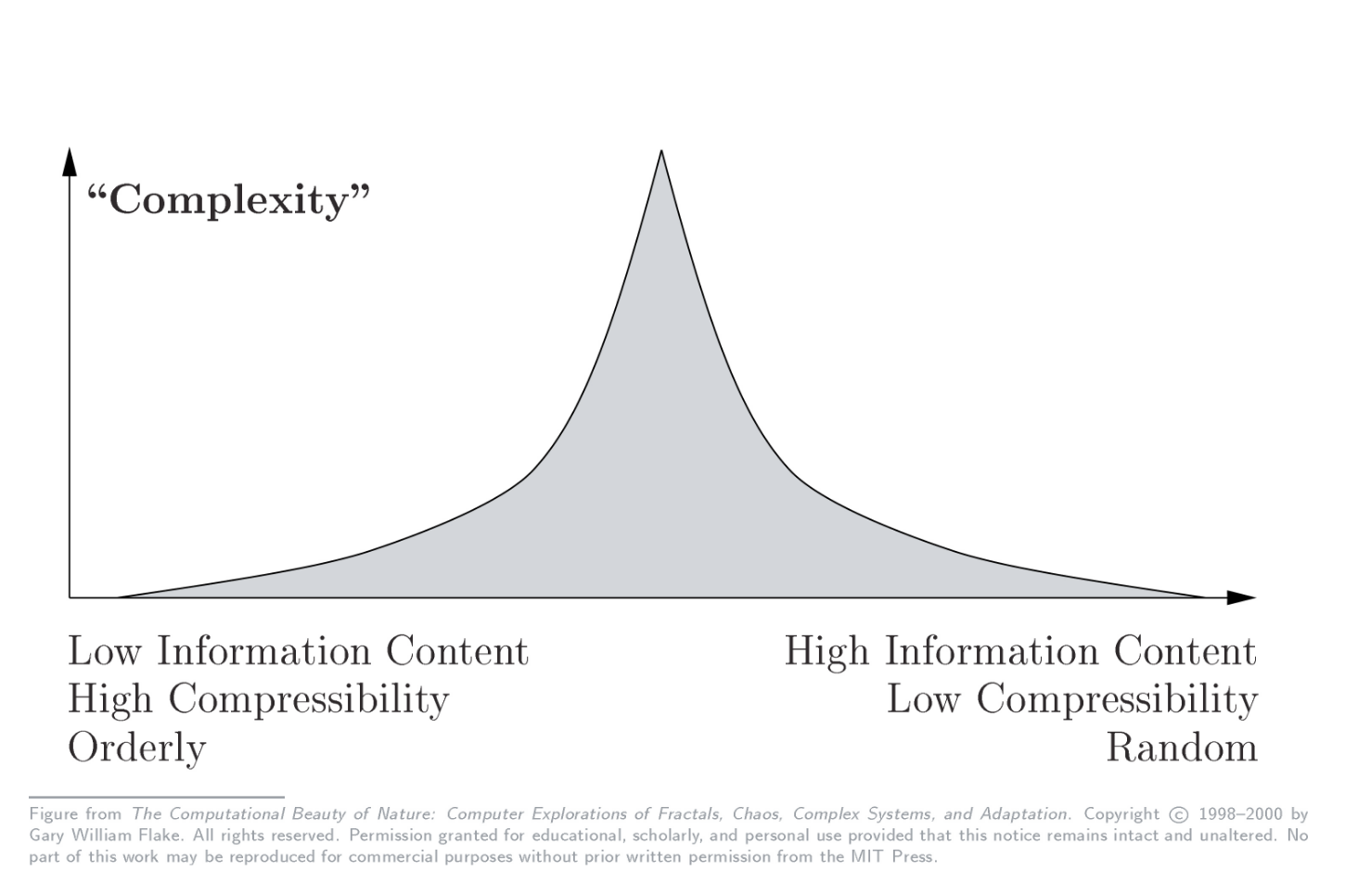
Complexity curve
order > edge > chaos
If the system is too ordered nothing changes. If it’s too chaotic it collapses. The work usually lives somewhere near that edge.
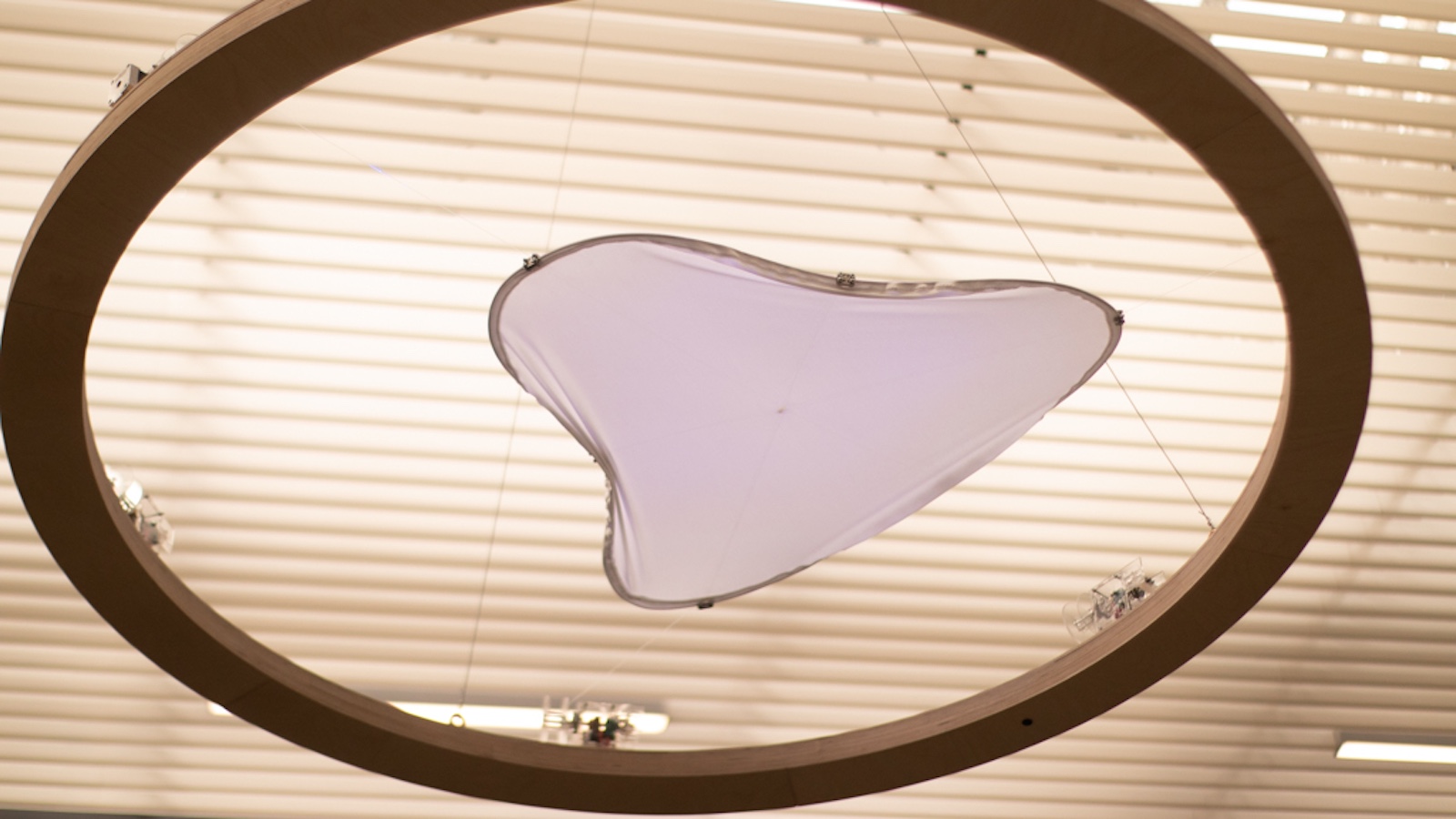
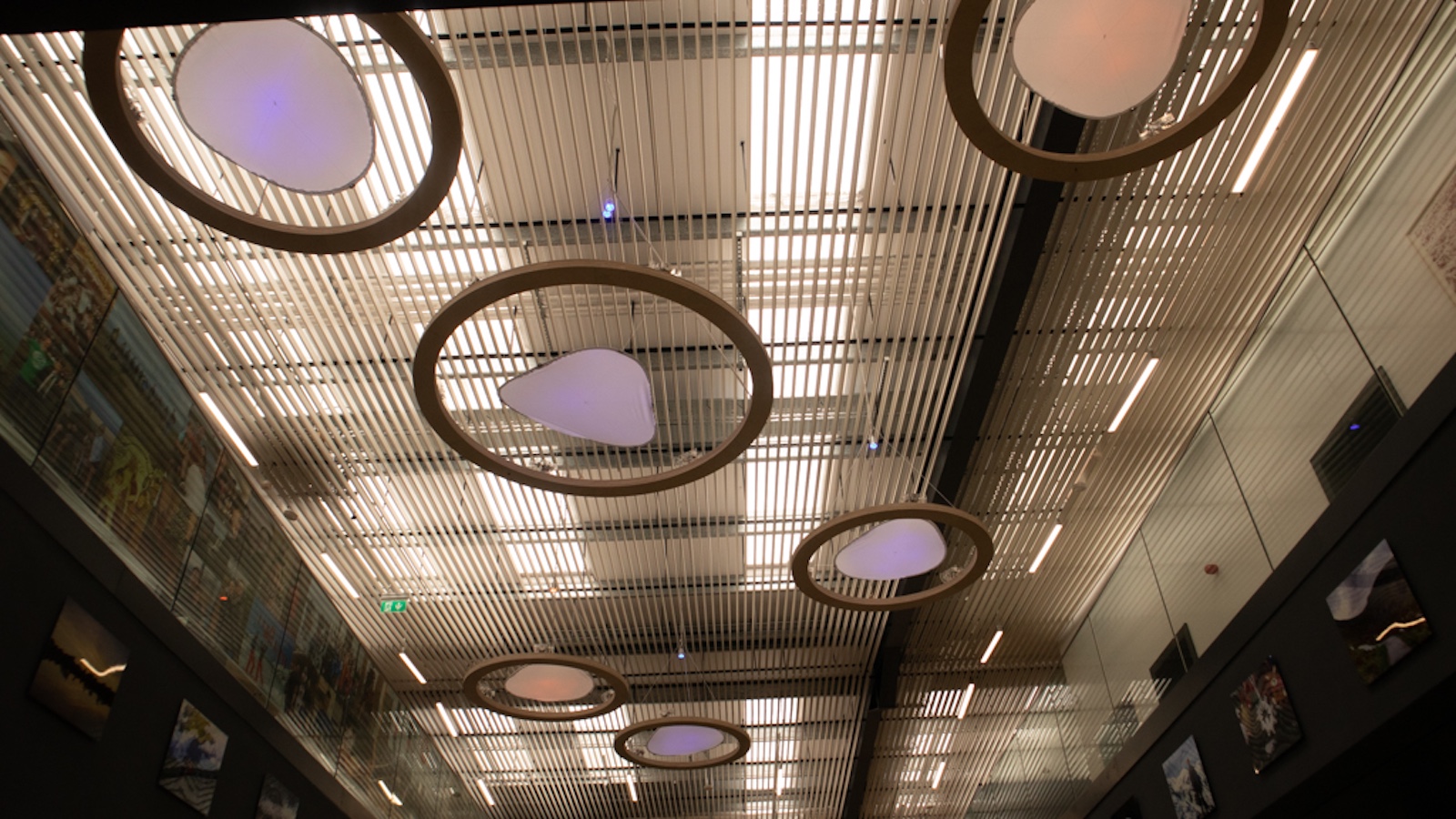
Rings project
An interactive feedback system.
The audience becomes part of the loop.
Interaction > camera tracking > system response > behaviour shifts > people adjust > the system changes again.
Calibration becomes a way of listening: adjusting parameters until the system begins to develop behaviour that carries an aesthetic idea..
autonomous remembering
Generative video system with Juliet Carpenter. A memory field selects and re-layers frames so earlier moments persist inside later ones. As frame-rate slows, temporal fissures open: returns, overlaps, drift.
How it’s different from the Kinetic Rings:
Rings is interactive (people inside the loop). Sun is autonomous (the system is inside its own loop).
The “relation” is between present frame, stored frame, and the evolving bias of the memory system.
Links:
project > theSun.html
sketchbook > theSun-sketchbook.html

membranes, tension, and shared memory
Relations: memory shifts from “stored frames” to embodied thresholds (pressure, fatigue, load, contact).
This is where the “systems thinking” turns inward. I’m moving from screen-space memory to an embodied, sculptural memory: thinking somatically: membranes that hold tension, deform, recover, and remember strain.
Text / Marina Carr
“I swim in Lethe every night — the river of forgetting — I, Mnemosyne, who is doomed to never forget.”
“Carrying all your memories — beauty, love, terror, sorrow — your short time here.”
“Transgenerational values, wounds, and traumas embedded within this female line.”
“My daughters. Nine of them. What a later age called the Muses. What I called my nine heart-scalds.”
Experiments: sensors with dancers > finding what is readable & fragile > moving toward membranes + tension as the main sculptural logic.
Hysteresis
Memory
Time
Markov Chains for generating choreography
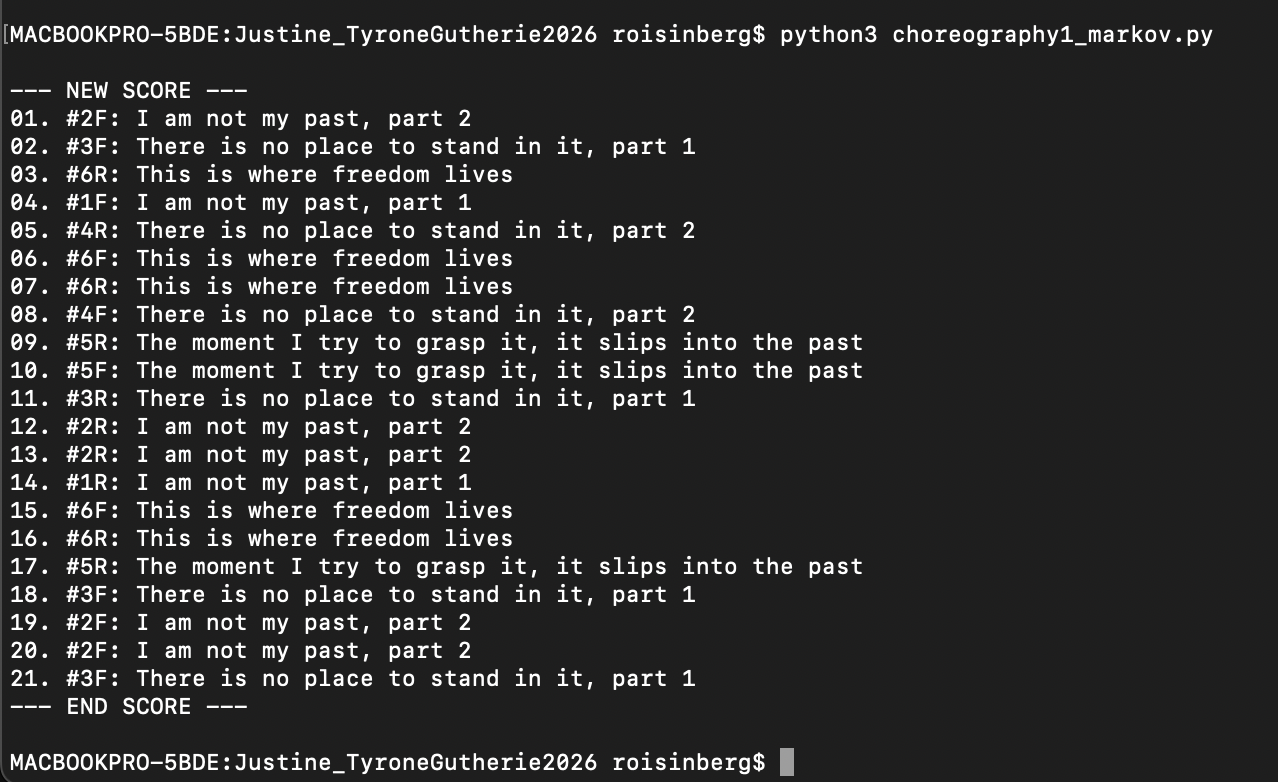
NEXT STEPS?
Genetic algorithm: dancer organ thingDesigning forms with genetic algorithm
listening > calibration > tuning > resetting
I’m building the synth as a creature / sculptural object / interactive system | a relationship with behaviour.
sketchbook > synth-sketchbook.html
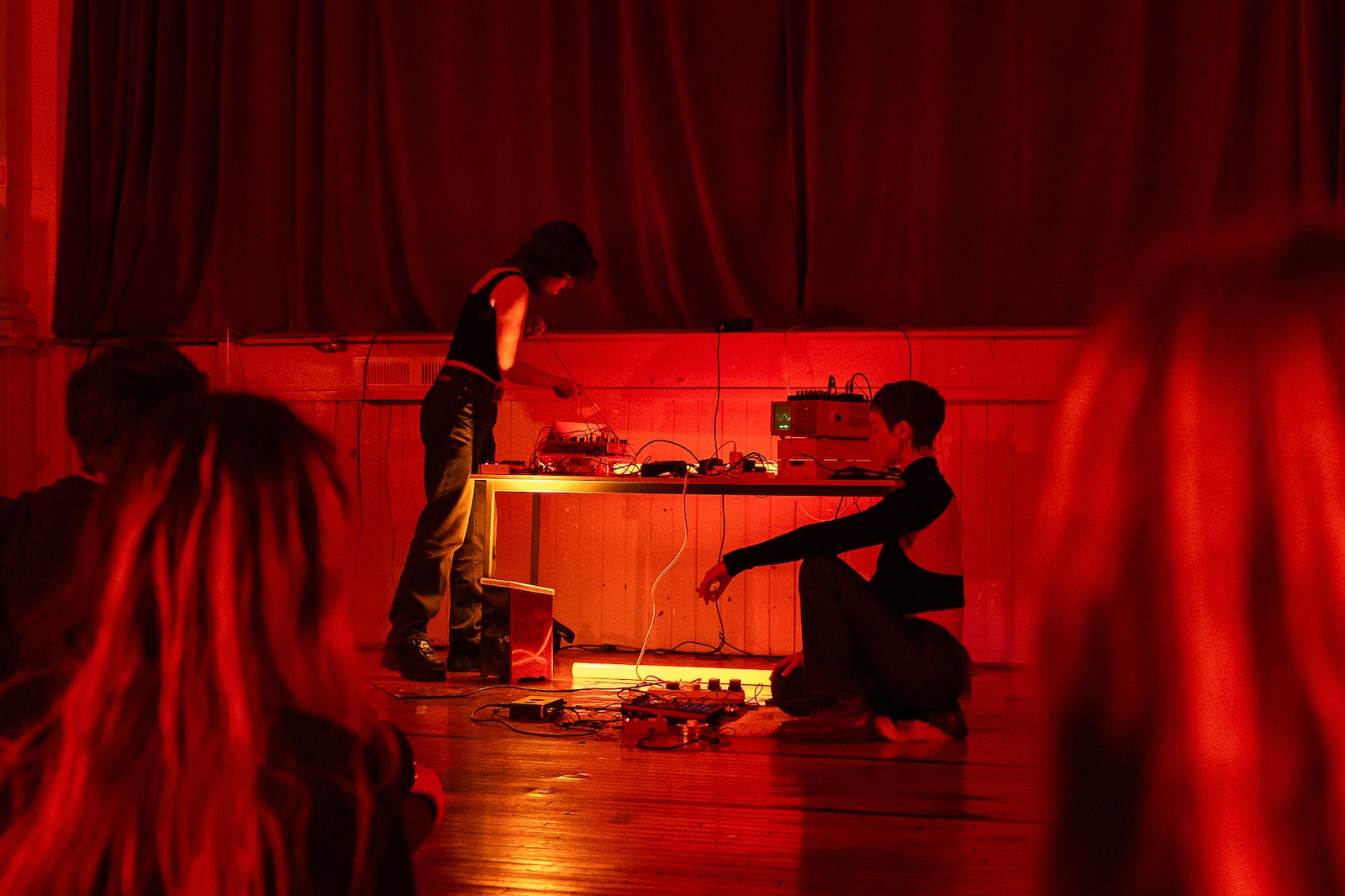
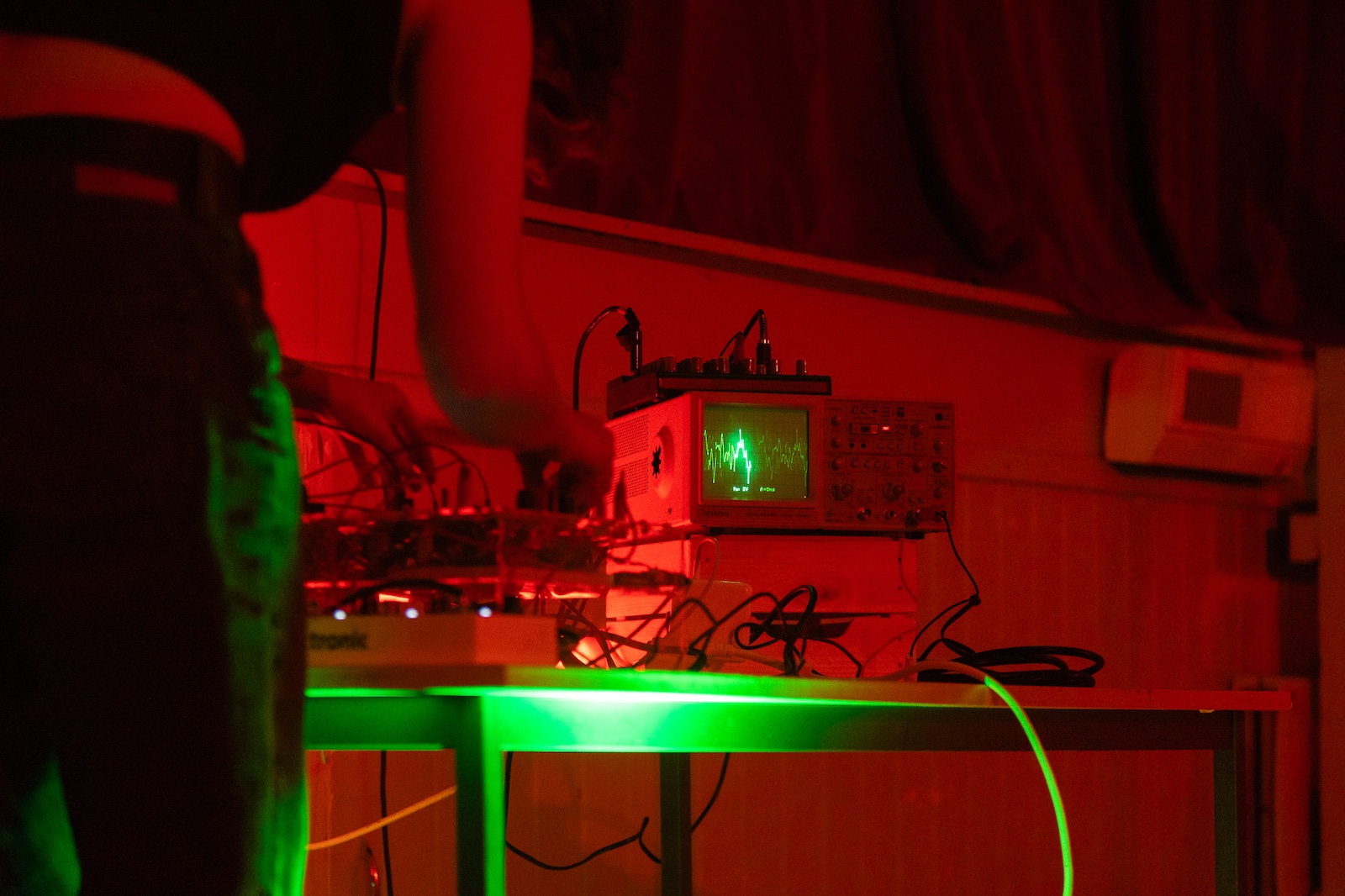
why build systems?????
I like it.
It's more expressive than people generally think.
A way for understanding relations